

E-commerce experts are in consensus that TikTok Shop, influencer-driven sales and brand.com websites are reshaping Malaysia’s digital retail landscape, with SMEs urged to build their own ecosystems to reduce reliance on marketplaces and strengthen brand identity.
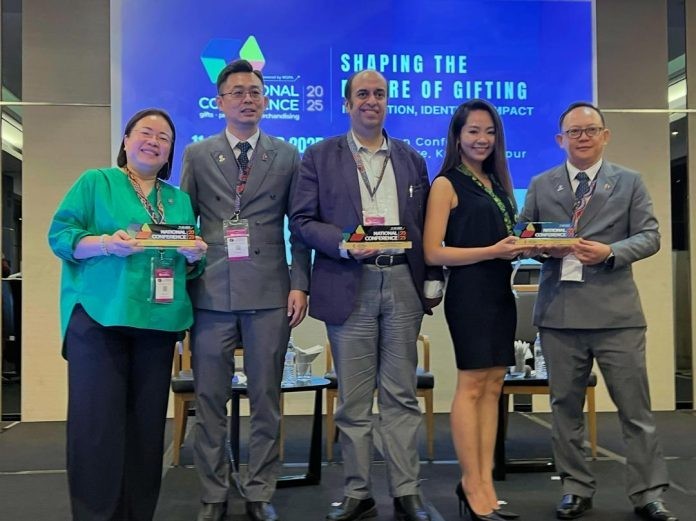
These views were shared at the e-Commerce Trends and Insights panel entitled ‘How digital disruption is reshaping corporate gifting and brand engagement’ held during the MGPA National Conference, organised by the Malaysian Gifts & Premium Association (MGPA). The session brought together Malaysia Digital Economy Corporation (MDEC) senior manager Carol Fung, Commerce.Asia Group of Companies Founder and Chairman Ganesh Kumar Bangah and FamsyMall Founder and CEO Chai Lee Fong.
Carol emphasised that while MDEC facilitates industry growth, the most valuable feedback for government policy makers comes from businesses themselves. “The government want to hear your voice as business owners,” she told the audience, urging more participation in industry dialogues and greater public-private partnerships to further nurture the e-commerce industry.
Having worked tirelessly over the years and decades to grow Malaysia’s e-commerce scene — including spearheading initiatives such as #MyCyberSale — Carol also highlighted MDEC’s digital maturity assessment tool, launched under the Ministry of Digital, which allows SMEs to evaluate their readiness across five levels and plan how to progress. “It’s a five-year initiative to help businesses move up the digitalisation curve,” she said.
She added that affiliate marketing and TikTok Shop are critical channels, especially for SMEs with limited resources. “You need both customised and ready-made products that affiliates can move quickly,” she shared.
Ganesh said TikTok Shop had ‘democratised’ online retail by pushing products to consumers via influencers and short videos, allowing small brands to compete with established players. “Consumers don’t need to search for you — the content comes to them. That’s why even a new brand can generate hundreds of thousands in sales within months,” he explained.
He outlined how Commerce.Asia built an ecosystem through investments in SiteGiant, a platform that helps SMEs set up brand.com webstores and manage marketplace sales, along with warehousing, logistics and influencer marketing platforms such as Xamble.
“We can’t stop working with marketplaces, but we can’t be too dependent on them either. That’s why brand.com is critical,” he said, urging SMEs to see digital marketing as an investment and to keep producing content to strengthen their presence.
Brand.com crucial for SMEs seeking growth and independence
Although marketplaces remain important channels, they are increasingly costly and competitive. By contrast, brand.com platforms give SMEs control over their margins, data and customer relationships.
“When you build your own store, you own the customer. You know who they are, how they shop and you’re not at the mercy of rising fees or sudden rule changes,” explained Ganesh.
He added that brand.com sites also allow businesses to experiment with loyalty programmes, affiliate marketing and influencer partnerships in ways that strengthen long-term value. “Marketplaces can give you sales, but brand.com gives you sustainability. That’s where SMEs can really differentiate themselves and build resilience,” Ganesh explained.
Ganesh predicted Malaysia’s current 85:15 split between marketplaces and brand.com sales would rebalance to 70:30 within a few years. “In the US, it’s already 50:50. For Malaysia, even 30 per cent would be a huge step forward,” he said.
Lee Fong, whose FamsyMall evolved from B2C customisation into B2B corporate gifting, stressed that an omnichannel presence is now essential. “If you only have offline or only online, you’re losing out. Both are a must-have, and you need a consistent brand identity across all platforms,” she said.
“We have diverted funds into TikTok and Xiaohongshu, which are now the easiest ways to grow, especially with Chinese-speaking audiences,” she said, noting that her company increasingly relies on micro-influencers and affiliates. “It’s not about how popular they are anymore, but how many times your brand gets shown as people scroll.”
The panel also highlighted the role of investment and mentorship in scaling businesses. Carol noted Ganesh’s track record in supporting local startups, including FamsyMall, while Ganesh explained that his entry into influencer marketing was driven by the recognition, even before TikTok Shop, that influencers were key to e-commerce growth.
In closing, Ganesh said the industry is regaining momentum. “During the pandemic, online sales skyrocketed, then slowed. But over the past year, we’ve seen double-digit growth again. The next five years will be about SMEs investing in their own brand.com, affiliates and content creation,” he said.
The discussion brought to life the reality that Malaysia’s e-commerce sector is at a critical turning point. Carol’s long-standing role in shaping the national e-commerce agenda, Ganesh’s call for SMEs to own their ecosystems and Lee Fong’s pivot of FamsyMall into a forward-looking, omnichannel gifting brand reflect how leadership and vision are driving transformation.
As eloquently expressed by Lee Fong: “Digital disruption is not something to fear but to harness. At FamsyMall, we see it as an opportunity to sharpen our identity, reach wider audiences and deliver value in new ways. That’s how we stay relevant for the future – and how we continue to grow strongly.”
Source: https://www.businesstoday.com.my/2025/09/16/famsymall-commerce-asia-and-mdec-outline-e-commerce-strategies-for-sme-resilience-growth/