
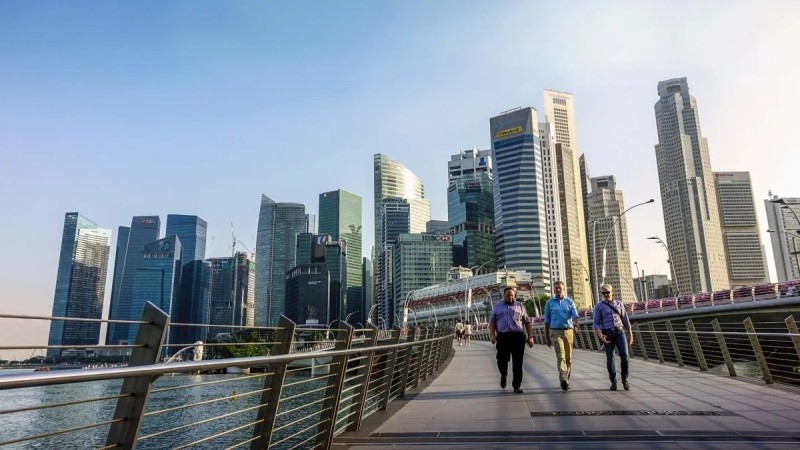

The state’s strong performance will make it a key contributor to Malaysia’s 13th Malaysia Plan.
The Johor-Singapore Special Economic Zone (JS-SEZ) is poised to become a major catalyst for regional growth and investment, according to a new report by DBS Group Research.
The bank stated that the initiative is driving development on both sides of the border, even as Malaysia and Singapore navigate global economic and geopolitical challenges.
DBS highlighted that Johor has outpaced both Malaysia and Singapore in recent years. Johor’s economy grew 6.4% in 2024 — the fastest amongst all Malaysian states — compared with Malaysia’s national rate of 5.1%.
The report said the state’s strong performance will make it a key contributor to Malaysia’s 13th Malaysia Plan, which targets average GDP growth of 4.5–5.5% between 2026 and 2030. Sustained private investment growth, underpinned by the JS-SEZ, is expected to support Malaysia’s ambition to reach high-income status by the end of the decade.
Malaysia recorded multi-year highs in investment approvals in 2024, with the momentum continuing into the first half of 2025. DBS noted that more than half of approved investments came from foreign sources over the past three years.
Singapore has emerged as the leading investor, accounting for roughly 40% of approved foreign direct investment into Malaysia in the first half of 2025, up from 23% in 2024
Johor has been at the center of this surge. The state accounted for nearly 30% of all approved investments in Malaysia in the first half of 2025, amounting to MYR56b—already surpassing the total for 2024.
Strong investment inflows have fuelled construction activity in Johor, particularly in the non-residential segment linked to the data center boom.
Johor accounted for around 18% of national construction work in the first half of 2025, ranking second amongst Malaysian states.
DBS said Johor has effectively become the sole driver of Malaysia’s non-residential construction sector, underscoring its importance in the country’s economic transformations.
With only about 3% of Singapore’s industrial space currently located in Woodlands, DBS said there is significant room for expansion
Whilst the JS-SEZ shows strong promise, DBS cautioned that its continued success will depend on addressing longstanding structural challenges. These include ensuring adequate manpower, streamlining cross-border flows of people and goods, and improving the overall ease of doing business.
Source: https://sbr.com.sg/economy/news/johor-singapore-sez-seen-key-regional-growth-engine