

KUALA LUMPUR (June 12): More than half of Malaysian businesses are grappling with rising costs stemming from global trade tensions and are pivoting towards domestic markets and supply chain adjustment, according to the findings of a survey by HSBC.
The survey found that 55% of Malaysian companies cited rising costs due to tariffs and trade-related costs as their top concern, prompting 42% to shift their focus to domestic markets and reduce international exposure, while another 40% plan to follow suit.
The HSBC Global Trade Pulse survey also showed that 57% of Malaysian businesses are considering shifting focus to domestic or regional growth.
Cost and efficiency remain priorities, as 54% of Malaysian companies are considering improving their internal efficiencies or changing their cost structures.
The survey, which covered 5,750 firms across 13 global markets including 250 in Malaysia, found that 37% of Malaysian respondents have already increased their inventory levels to manage supply disruptions, with 49% planning similar action.
The survey, conducted between April 30 and May 12, interviewed businesses with international operations and turnover of between US$50 million (RM211 million) and more than US$2 billion.
Despite the global uncertainties amid tariffs and shifting trade policies, 91% of Malaysian businesses are confident about growing their international trade footprint, slightly higher than the global average of 89%.
More encouragingly, 73% of Malaysian-based companies think that the trade uncertainty has encouraged their business to evolve and explore new opportunities, with 55% seeking strategic advice on international expansion, restructuring or supply chain realignment as part of their adaptive measures.
Given the current trade dynamics, Malaysian firms are strengthening trade connections to significantly increase connections with China (61%), South Asia (55%) and North Asia (44%), according to the findings.
Beyond Asia, 32% of Malaysian firms are eyeing deeper trade ties with both Europe and the US.
The survey found 64% of Malaysian companies have adopted new technology or digital platforms, while 48% have developed new products or services to navigate the uncertain trade environment.
Financially, 64% of Malaysian businesses identified cash and liquidity management as the most helpful support mechanism in managing working capital during this trade disruption period. This was followed by improved payment terms with buyers and suppliers (56%) and access to supply chain finance (55%).
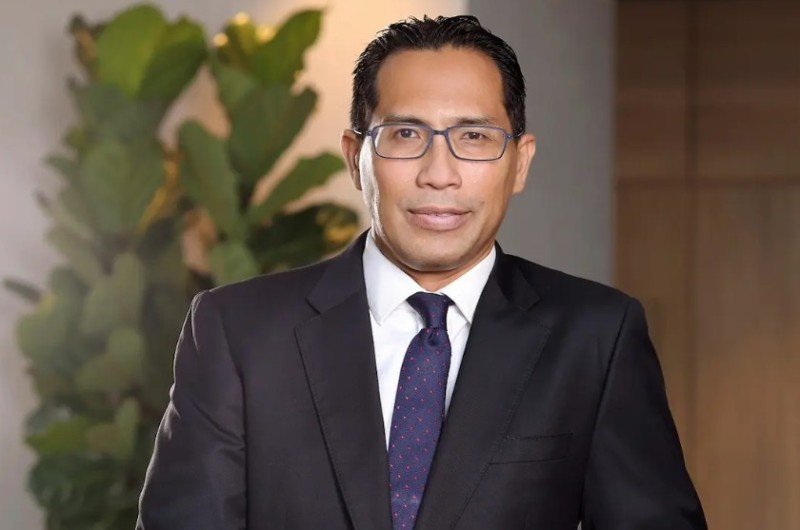
In a statement, HSBC Malaysia CEO and head of banking Datuk Omar Siddiq said that despite the challenges posed by the uncertain tariff and trade landscape, businesses in Malaysia are demonstrating resilience and adaptability in the way they operate.
“While supply chains may be further reconfigured, there continues to be strong potential for local companies to leverage on Malaysia’s strong trade ties, particularly in Asia. Having said that, it is key to note that markets like the US remain key trade destinations for Malaysia for high-value sectors such as electronics and semiconductors,” Omar said.
“With over 70% of Malaysian businesses anticipating sustained cost increases from the impact of tariffs and trade uncertainty... and businesses facing an average 18% drop in revenue, the imperative for strategic adaptation is clear. Despite uncertainties, the world is also full of opportunities. Navigating this climate requires not only agility, but strong partnerships to ensure sustained growth in a shifting global economy,” Omar added.
Source: https://theedgemalaysia.com/node/758845